
125T Metal Briquetting Machine
125T Metal Briquetting Machine
The 125T Metal Briquetting Machine is a high-pressure hydraulic compression system designed to convert loose metal scraps, chips, shavings, and industrial waste materials into high-density briquettes. It improves storage efficiency, reduces transportation costs, increases recycling value, and supports automated production for metal processing and recycling industries.
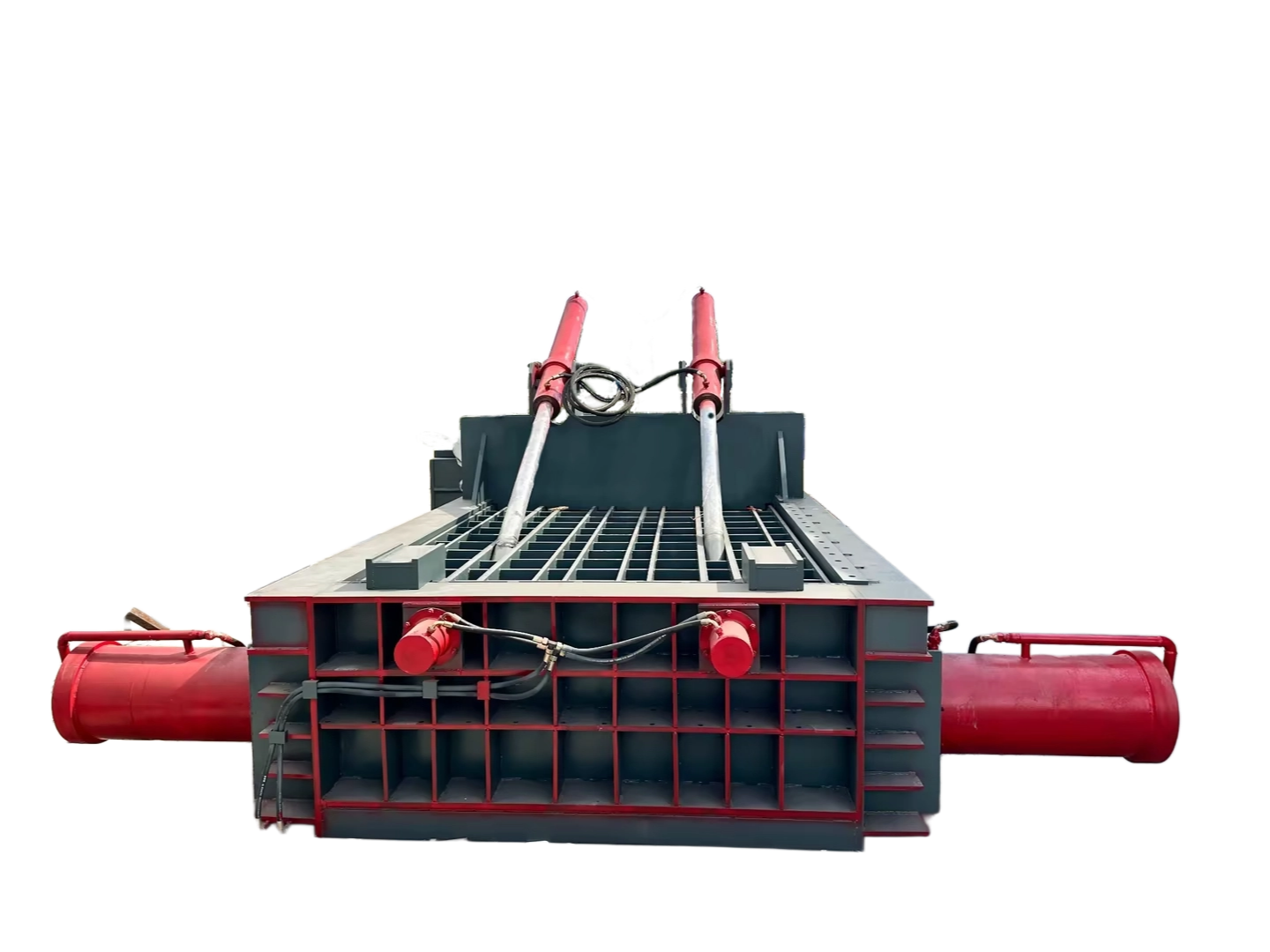
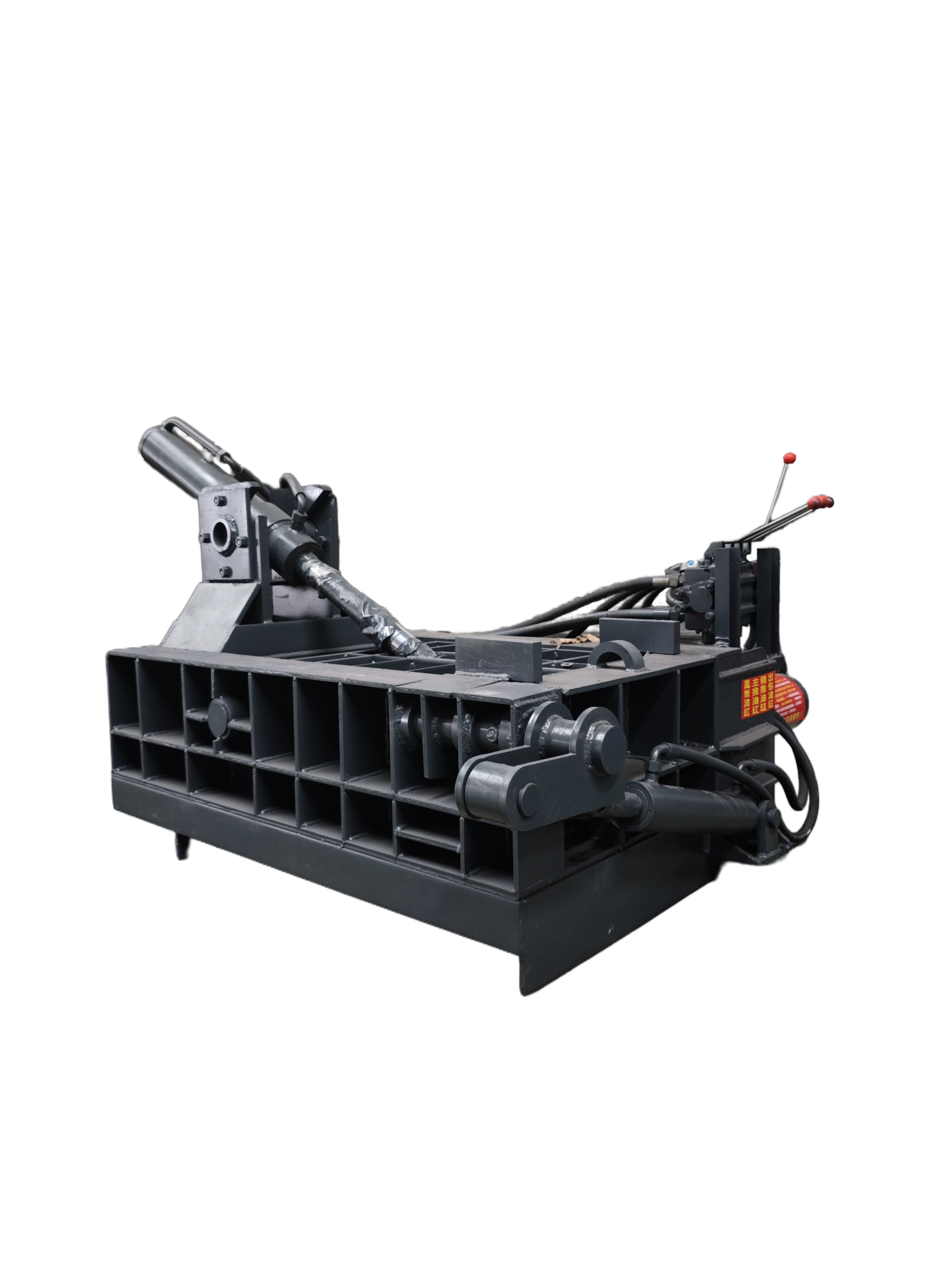
The 125T Metal Briquetting Machine is a heavy-duty hydraulic system designed to compress loose metal materials into compact, high-density blocks for easier handling, storage, transportation, and remelting processes. Using advanced hydraulic technology, the machine applies powerful pressure without heating or chemical additives, maintaining the original material properties while significantly improving recycling efficiency.
This machine is widely used in metal processing facilities, recycling centers, foundries, steel plants, and industrial manufacturing industries.
Product Specifications
- Nominal Pressure: 125 Tons
- Compression Technology: Hydraulic Cold Compression
- Control System: PLC Intelligent Control
- Operating Modes:
- Manual
- Semi-automatic
- Fully automatic
- Feeding Method:
- Manual feeding
- Conveyor feeding
- Screw feeding system
- Output Form:
- Cylindrical briquettes
- Square blocks
- Rectangular bales
- Hydraulic Pressure Range:
- High-pressure industrial system
- Operation:
- Automatic feeding
- Pre-compression
- Main compression
- Pressure holding
- Automatic discharge
Main Features
High Compression Ratio
The machine compresses loose metal materials into compact blocks with a compression ratio ranging from:
1:5 to 1:30
Volume reduction can reach:
70%–95%
Benefits include:
- Reduced warehouse space requirements
- Lower transportation expenses
- Easier material handling
High-Density Forming
The machine uses cold compression technology without heating or binders.
Advantages:
- Preserves original metal properties
- Stable briquette structure
- Reduced material loss
- Density reaches 3–5 tons/m³
- Strong and compact output blocks
Oil and Liquid Separation System
During compression, the machine extracts:
- Cutting fluids
- Coolants
- Oil residues
- Moisture
Integrated liquid collection systems provide:
- Waste liquid recovery
- Cleaner production
- Improved melting purity
- Environmental protection
Intelligent Automation System
PLC control supports:
- One-button operation
- Automatic production cycles
- Reduced labor requirements
- Stable and safe operation
- High production efficiency
Typical workflow:
Feeding → Pre-compression → Main compression → Pressure holding → Demolding → Discharge
Wide Material Compatibility
Suitable materials include:
- Steel chips
- Iron scraps
- Copper shavings
- Aluminum chips
- Stainless steel waste
- Alloy scraps
- Metal powders
- Scrap steel
- Rebar waste
- Color-coated sheets
- Aluminum cans
- Paint containers
- Automotive scrap materials
Machine Types and Applications
Metal Chip Briquetting Machine
Suitable for:
- Iron chips
- Steel chips
- Copper shavings
- Aluminum scraps
- Metal powders
Output forms:
- Cylindrical briquettes
- Square briquettes
Applications:
- Machining workshops
- Foundries
- Metal recycling facilities
Metal Scrap Baler Machine
Suitable for:
- Scrap steel
- Light metal waste
- Steel plates
- Automobile shells
- Metal drums
- Structural metal waste
Output forms:
- Rectangular blocks
- Octagonal blocks
- Large industrial bales
Applications:
- Recycling centers
- Steel mills
- Metal processing facilities
- Scrap dismantling industries
Main Advantages
- Reduces storage costs
- Lowers transportation expenses
- Increases recycling value
- Improves metal recovery rate
- Removes oil and moisture
- High automation level
- Stable continuous operation
- Cleaner and environmentally friendly production
Typical Application Industries
- Metal processing workshops
- Steel manufacturing plants
- Non-ferrous metal industries
- Metal recycling centers
- Automotive dismantling plants
- Sheet metal industries
- Industrial waste processing facilities
Frequently Asked Questions
Can magnesium chips or magnesium alloy scraps be processed with a briquetting machine?
Magnesium is highly reactive and its fine particles can easily ignite during compression because friction and heat generation may trigger combustion.
Specialized systems require sealed chambers with inert gas protection such as argon or nitrogen and oxygen content below 2%.
Why can titanium chips or sponge titanium ignite during briquetting?
Causes include:
• Fine titanium particles smaller than 0.5mm
• Moisture content above 0.5%
• Excessive friction caused by rough mold surfaces
How can titanium chip ignition risks be reduced?
• Dry materials to moisture content below 0.1%
• Remove very fine particles through screening
• Add passivation materials such as dry sand or silicon carbide powder
• Use molybdenum disulfide dry-film lubrication
• Apply slow compression speeds between 5–10mm/s